The closest of our day trips and, for many people, the best first one: snorkeling in a national park in the morning, lunch in a quiet town and cenotes in the afternoon.
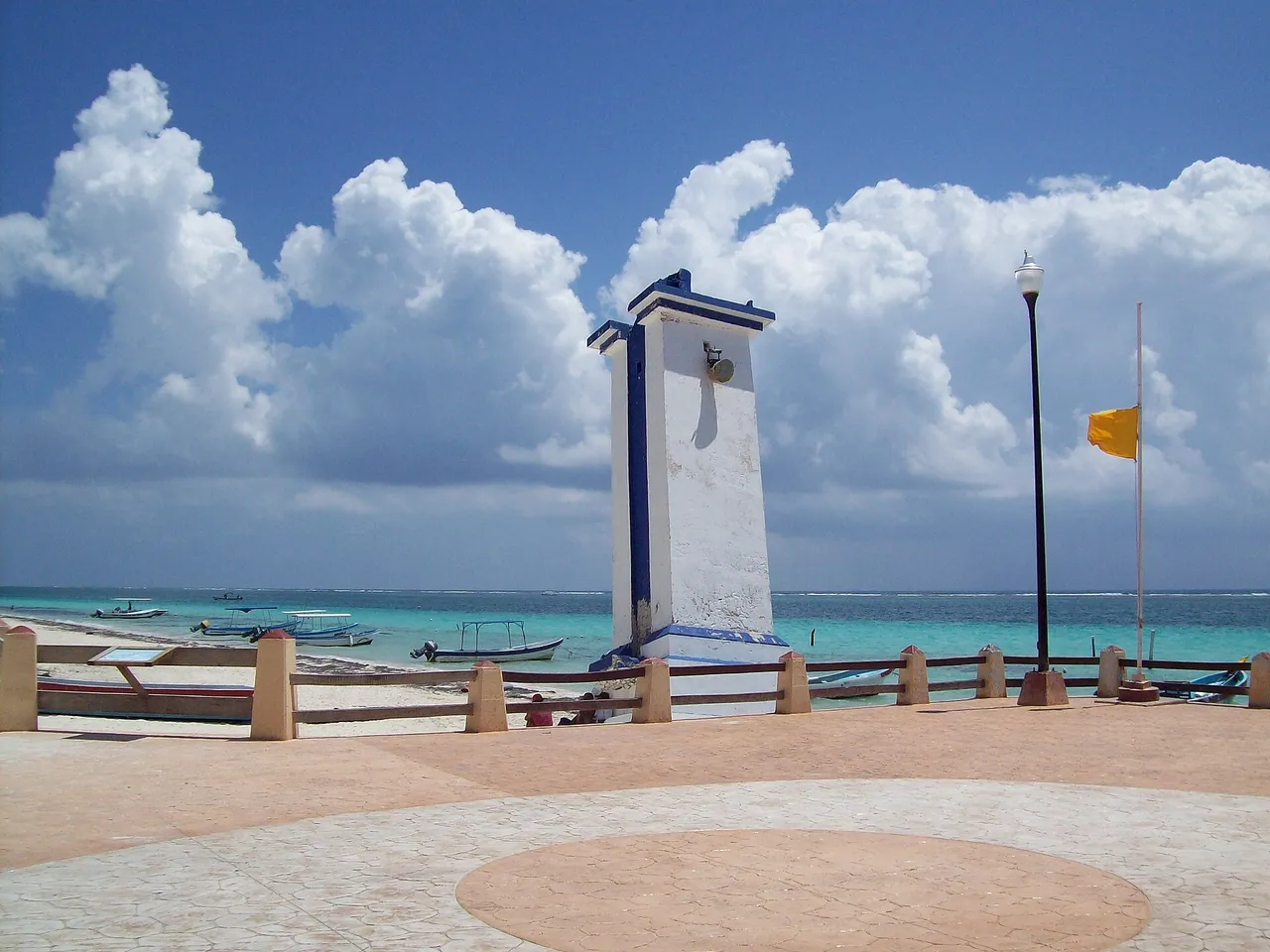
Got half a day and want to see coral without joining Cancun's busiest snorkel spots? Puerto Morelos is about 35 km south, roughly 30 minutes by car on highway 307, and 20 to 30 minutes from the airport. About 400 meters off the town's beach starts a reef protected as a national park.
The main expense is the snorkel tour, around US$38 to US$45 per person, plus the park wristband of 125 pesos according to CONANP (some operators already include it). If you carry on to the Cenote Route, each cenote charges 100 to 400 pesos, almost always in cash. And yes: it's the easiest trip to do in a day, even in half a day.
Early: the first boat out to the reef, when the sea is usually calmest. About two hours with two snorkel stops.
Back on land: walk to the leaning lighthouse, the square and the pier.
Midday: fish or seafood in town, then back to Cancun.
Afternoon: after lunch, two cenotes on the Cenote Route, by car or by taxi with an agreed pickup time. Two or three, depending on how long you linger at each.
If you'd rather stay, the town also works as a quiet base for a night or two between Cancun and Playa del Carmen.
The detail that trips people up: the town itself, with the beach and pier, is about 3 km east of the highway. The bus stop and the Tren Maya station sit by the highway, not in the center.
| How | Time | Price | Comment |
|---|---|---|---|
| Car | ~30 min from Cancun | Fuel | Most comfortable, and the easiest way to tour the cenotes. |
| ADO bus (Cancun–Playa del Carmen route) | Departures every 30–60 min | No confirmed 2026 fare | Drops you by the highway; then a taxi or colectivo into town. |
| Playa Express colectivo | Similar to the bus | Less than the MX$45–60 Cancun–Playa fare | Leaves from in front of the Cancun ADO terminal; ask to get off at the junction. |
| Tren Maya | First stop after Cancún Aeropuerto | No confirmed fare | Station on the edge of town by the highway; local transport to the center. |
| Tour with pickup | ~4 h for snorkeling | Varies | Cenote tours from Cancun run about US$45–130. |
Prices checked in October 2026. Check before you go; we don't publish fares we couldn't confirm.
For the Tren Maya, as a reference, Cancún Aeropuerto to Playa del Carmen costs 232 pesos at the international fare; Puerto Morelos comes first, so it should cost less, but confirm on the official booking system. No public transport goes down the Cenote Route.
Puerto Morelos Reef National Park was decreed on February 2, 1998, covers 9,066 hectares, has been a Ramsar site since 2004 and is part of the Mesoamerican Reef System. The reef lagoon lies about 400 meters offshore, 3 to 10 meters deep: a 5- to 10-minute boat ride.
MX$125 per person per day
Access fee according to CONANP. Children under 12, seniors, pensioners and retirees, and people with disabilities don't pay. Mexican nationals and foreign residents pay 50%. For students and teachers with ID the page lists "25%" without saying whether that's a discount or the rate, so ask when you pay.
Park office: Av. Matamoros No. 7 at Hidalgo, Puerto Morelos · Tel. (998) 871 0525 · 06:00 to 21:00.
The wristband is usually paid through your tour operator, so ask whether it's included before you book. A proposal to double protected-area fees was reported in 2026; we couldn't confirm whether it passed, so check the figure when booking.
Tours leaving from town cost US$38 to US$45 per person and last about two hours, with two snorkel stops; versions with pickup in Cancun take about four hours. The water is clearest and has the least seaweed from November to April (visibility often reaches 20–30 meters), mornings are calmest, and the water is warmest from June to September. If the port is closed for bad weather, tours are cancelled.
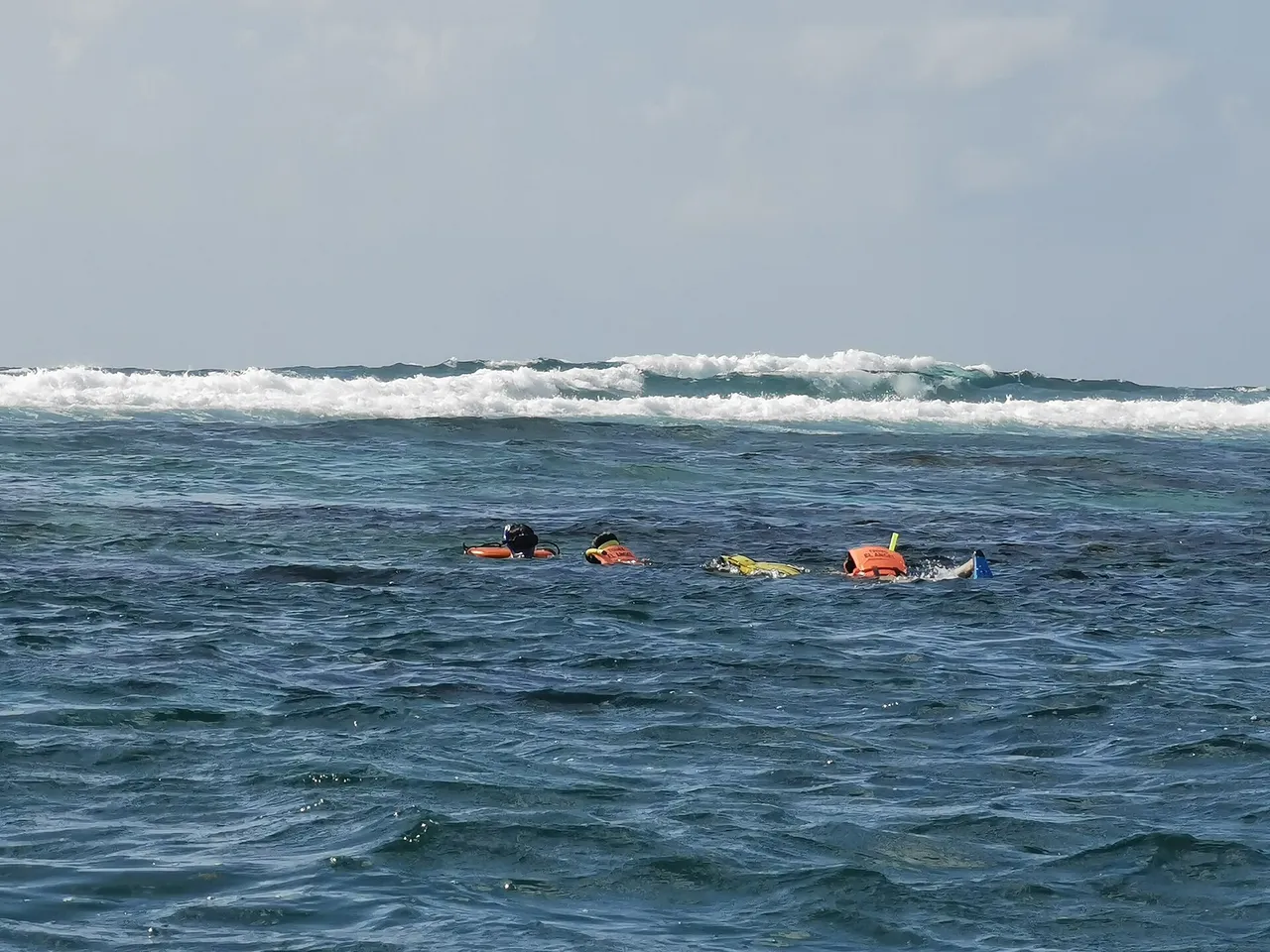
CONANP's page doesn't publish the park's rulebook; these rules come from the state tourism board, the municipality and travel guides.
To compare with snorkeling inside Cancun, see our Cancun snorkeling guide and the best beaches for snorkeling.
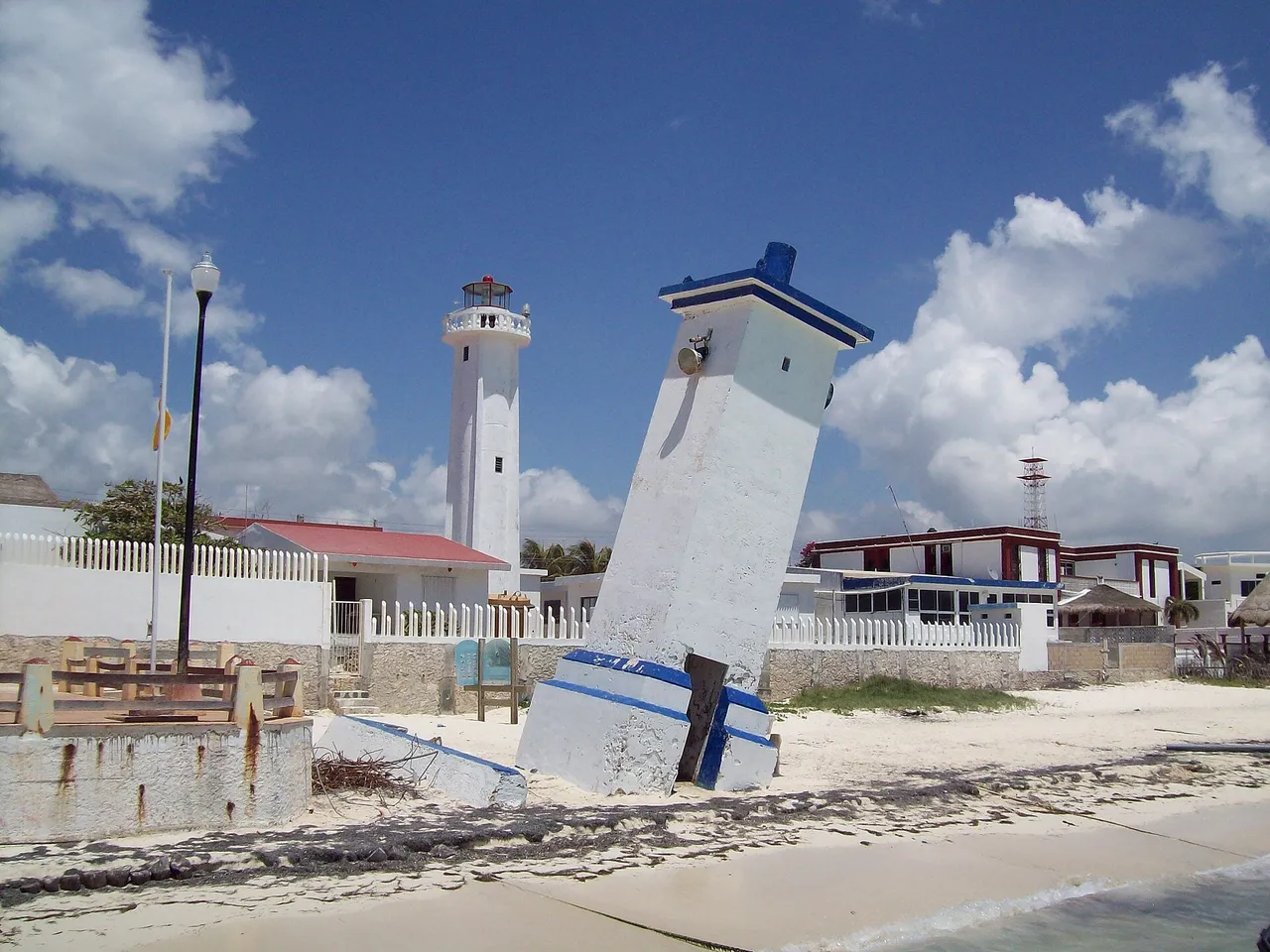
Puerto Morelos's symbol is a lighthouse nobody straightened. It was built in 1946 and Hurricane Beulah tilted it in September 1967; instead of knocking it down, the town left it standing, and in 1968 the lighthouse that still works went up next to it. It's the must-have photo, a few steps from the square and the pier.
The rest of the charm is in the scale: a small, quiet town with a square, a pier and places to eat fresh fish and seafood. From May to September, sea turtles nest on this coast.
Two kilometers north of town on highway 307 is the Dr. Alfredo Barrera Marín Botanical Garden, with spider monkeys and a mangrove boardwalk. Entry is around 100 to 120 pesos for foreigners (sources differ) and it opens roughly 08:00 to 16:00; it's unclear whether it opens on weekends, so check before you go.
It's a paved road of about 35 to 37 km heading west from Puerto Morelos toward Leona Vicario and Central Vallarta. Coming from Cancun, the turnoff is just past the bridge on the right, marked by a sign with a map. In April 2026 the municipality announced that the route had won "Best Tourist Route in the country" at México Desconocido's "Lo Mejor de México" awards.
| Cenote | Approx. km | Approx. entry | What it's like |
|---|---|---|---|
| Las Mojarras | 12.6 | MX$100–200 | Large and open, with a diving platform and a zip line into the water. Roughly 09:00–18:00. |
| Siete Bocas | 15.5–16 (+~2 km dirt road) | ~MX$300 (some sources say more) | Seven openings into a cavern system; deep. |
| Boca del Puma | 16 | ~MX$300 swim only | Eco-park with zip-line or ATV packages (~US$60–80). |
| Verde Lucero | 17 | MX$300 foreigners; MX$150 Mexican residents | Open, with a jumping platform and zip line. 09:30–16:30. |
| La Noria | ~20 | ~MX$200–300 | Cavern. |
| Kin-Ha | Further on | No confirmed price | Cavern with rock formations. |
Prices checked in October 2026 against 2025 and 2026 sources that don't always agree: treat them as ranges and bring extra cash.
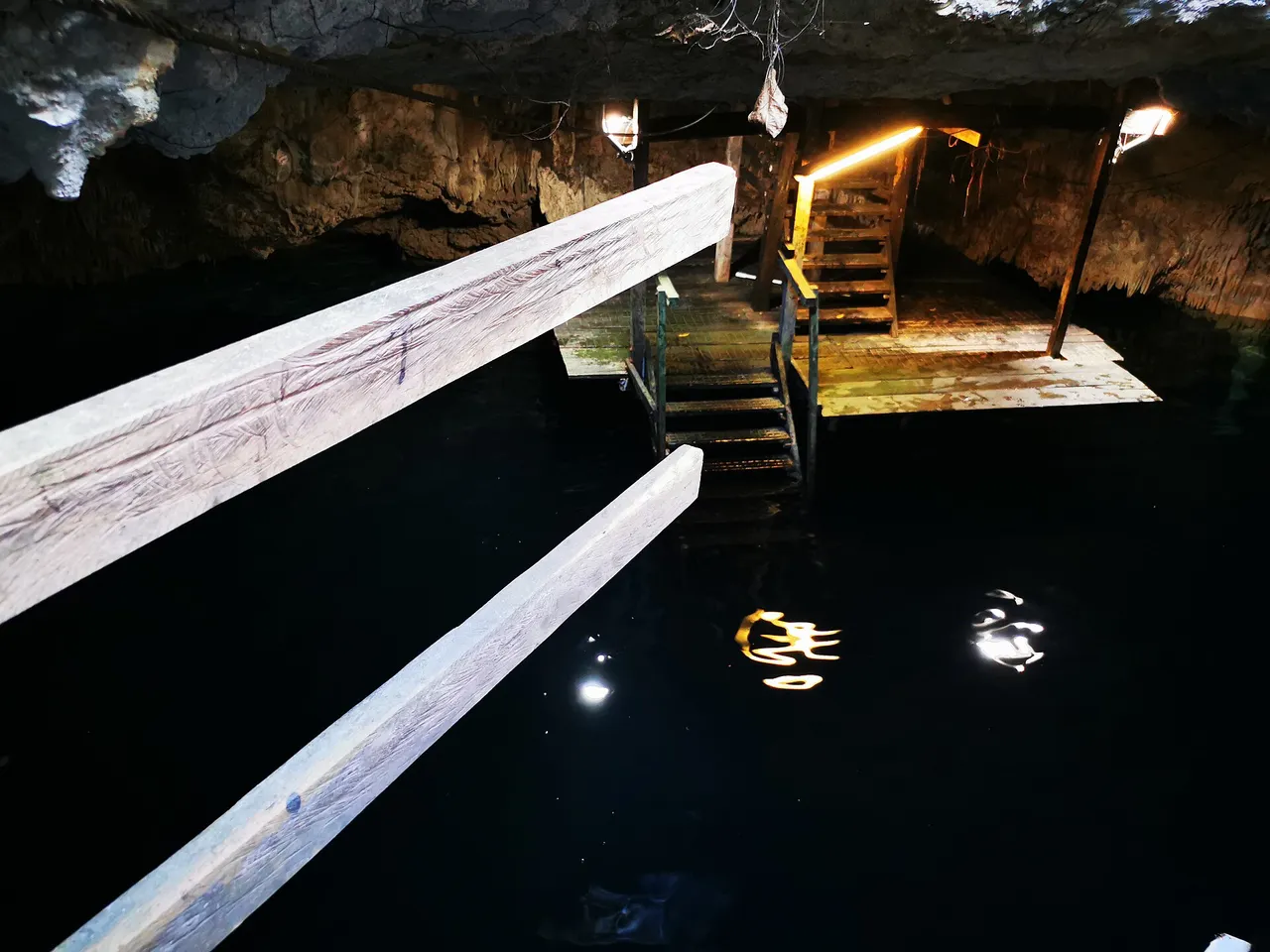
If you want to jump, ride a zip line and swim in the sun, go for Las Mojarras or Verde Lucero. If the half-light of a cavern appeals, try Siete Bocas, La Noria or Kin-Ha; Siete Bocas is deep, so it suits confident swimmers. With kids, an open cenote and a life vest is the safe bet. Three things apply everywhere: shower before going in, no sunscreen or bug spray in the water, and wear the life vest when asked.
Several cenotes have no cell signal, and some are reached by dirt tracks of 1 to 2 km. If you go by taxi, agree the pickup time before it leaves. For more options in the region, see our pick of the best cenotes near Cancun.
Let's be clear: the Puerto Morelos shoreline is one of the hardest hit by sargassum. In the October 9, 2026 report, the state environment ministry rated Puerto Morelos Centro, Puerto Morelos Norte, Punta Caracol and Bahía Petempich as "excessive". The town puts up barriers and cleans daily, but it isn't always enough.
Plan B: the reef, offshore, is usually little affected, and the cenotes have no sargassum and keep the same temperature all year. They're also the fallback on windy days when boats can't go out.
Before planning a beach day, check our Cancun sargassum page and live conditions.
| Item | Approx. price | Note |
|---|---|---|
| Snorkel tour from town | US$38–45 per person | About 2 hours; ask if the wristband is included |
| National park wristband | MX$125 per person per day | CONANP; under-12s exempt |
| Cenotes on the route | MX$100–400 each | Almost always cash |
| Cenote tour from Cancun | US$45–130 | Depends on how many cenotes and what's included |
| Botanical garden | MX$100–120 | Sources differ |
Prices checked in October 2026. Check before you go.
If you're a foreign tourist, the Visitax you paid on arrival in Quintana Roo covers the whole trip: Puerto Morelos doesn't charge it again. If you sleep here, your lodging may add the environmental sanitation fee per room per night; we couldn't confirm the 2026 amount.
More ideas in our Cancun packing list.
Playa del Carmen is 20 to 30 minutes further south, so an afternoon on Fifth Avenue is easy to add. Puerto Morelos is also a good stop on the way to Tulum. Compared with Holbox or Bacalar, it's the closest, cheapest and lowest-logistics option: an ideal first trip.
125 pesos per person per day, according to CONANP. Children under 12 and seniors don't pay, and Mexican nationals and residents pay half. It's often charged together with the tour.
No. The protected reef is about 400 meters offshore and is visited by authorized boat with a local guide. Life vests are mandatory.
Tours leaving from town cost US$38 to US$45 per person and last about two hours, with two stops. Ask whether the park wristband is included.
Among others, Las Mojarras, Siete Bocas, Boca del Puma, Verde Lucero, La Noria and Kin-Ha. Entry runs about 100 to 400 pesos per cenote, almost always in cash.
Take an ADO bus or a Playa Express colectivo from downtown Cancun; both drop you by the highway, and from there you take a taxi into town. The Tren Maya also has a Puerto Morelos station.
Often, in season: in October 2026 the town beach was rated "excessive". The reef and the cenotes are good alternatives.
Yes. With early snorkeling and a walk around the lighthouse and town, allow about five or six hours in total, including the trip from Cancun. Add cenotes and it becomes a full day.