Snorkeling in Cancún 2026: Where, How Much, and What You Need
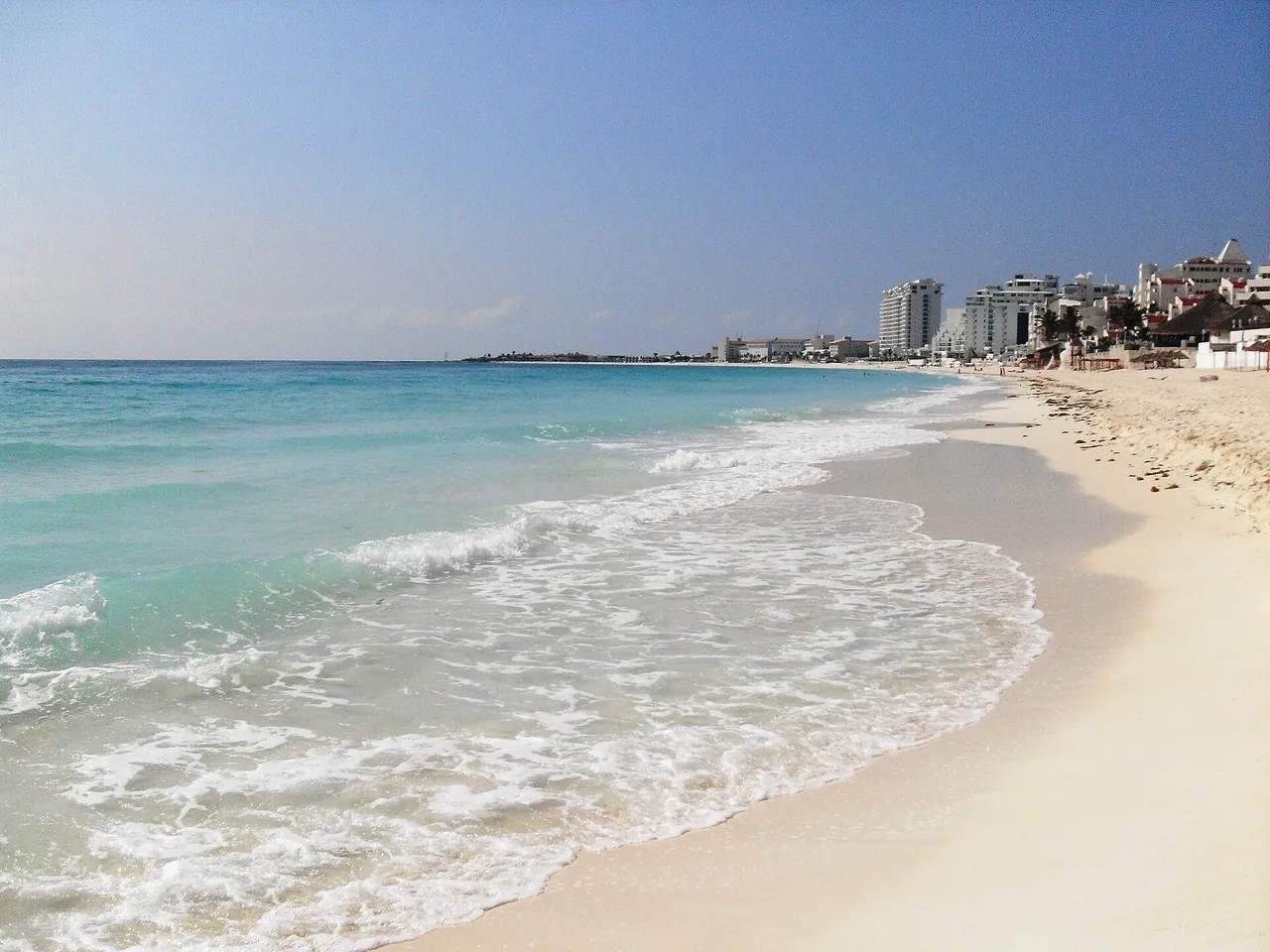
The Mexican Caribbean is home to some of the best snorkeling in the world. The Mesoamerican Barrier Reef System — the second-largest coral reef on the planet — runs right along the coast of Cancún and the Riviera Maya, offering crystal-clear waters, colorful reefs, and marine life that includes turtles, rays, tropical fish, and even whale sharks in season. The best part: you don't need to be a certified diver to enjoy it. For a beach-by-beach overview, see our page on snorkeling beaches in Cancún.
The Best Snorkeling Spots
1. Punta Nizuc and MUSA (Underwater Museum)
Level: Beginner to intermediate · Tour price: $800-1,500 MXN
Punta Nizuc is the most accessible reef from Cancún's hotel zone. It's at the southern end, right where the Nichupté Lagoon meets the Caribbean Sea. The swell is gentle because the reef itself shelters it, and depths are around 3-8 meters: with a life vest, it's suitable for beginners. This is where the shallow section of MUSA is located — the famous underwater museum housing over 500 submerged sculptures created by Jason deCaires Taylor. Swimming among these coral-covered figures is a surreal experience. Tours depart from the Aquaworld marina or from various marinas in the hotel zone, last about 2-3 hours, and include equipment. Going on your own isn't practical: there's no public beach with land access (only through hotels such as Nizuc Resort or Club Med), the reefs lie inside a protected area and are reached by boat, so the sensible option is a tour.
2. Isla Mujeres (El Farito and Manchones)
Level: Beginner to intermediate · Tour price: $1,200-2,500 MXN
The reefs around Isla Mujeres are probably the best accessible from Cancún. El Farito is a shallow reef (1-3 meters) at the southern tip of the island, with an impressive concentration of tropical fish, starfish, and corals. Manchones is another nearby reef, larger and deeper (3-8 meters), where it's common to see sea turtles, eagle rays, and barracudas. Catamaran tours from Cancún include the crossing, snorkeling at one or two reefs, open bar, and food — they're festive and fun, but water time is limited (30-40 minutes); we weigh that trade-off in which Cancún tours are worth it. If you prefer more snorkel time, take the ferry on your own and hire a local tour directly on Isla Mujeres (our complete Isla Mujeres guide covers the ferries).
3. To practice before a tour: Playa Caracol
Level: First-timers · Price: Free (with your own gear)
From shore, there's little to see in the hotel zone, and it's worth saying plainly. Playa Caracol, in the sheltered bay of the northern hotel zone, has no reef nearby and limited visibility, so it isn't a snorkel spot (our Playa Caracol guide has access details). What it does offer is calm, shallow water to try a mask and snorkel before your first tour, which is handy for families with children (see our guide to Cancun with kids). Playa Tortugas isn't good for snorkeling from the sand either, because of boat traffic, but tours to nearby reefs and to Isla Mujeres leave from its dock. Gear can be rented at some beach stands for about $150 MXN per hour.
4. Puerto Morelos Reef
Level: Intermediate · Tour price: US$38-45 per person, plus the national park wristband of $125 MXN (some operators already include it)
Puerto Morelos is a quiet fishing village just 35 minutes south of Cancún. Its reef was declared a National Park in 1998 and is one of the best-preserved in the area; it starts about 400 meters offshore and can only be visited by authorized boat with a local guide, not by swimming out from the beach. The difference is noticeable: the coral is alive and healthy, fish are abundant, and visibility is usually excellent. Tours depart from the town beach in small boats (maximum 10 people) and last about 2 hours with two stops at different sections of the reef. The guides are local fishermen who know every corner. Life jackets are mandatory and touching the coral is prohibited. If I had to choose just one place to snorkel near Cancún, it would be Puerto Morelos: reef quality, small crowds, and guides who genuinely care about conservation.
5. Cenotes (freshwater snorkeling)
Level: Beginner to advanced · Price: $200-500 MXN admission
Snorkeling in cenotes is a completely different experience from the ocean. The freshwater has visibility of up to 50 meters and you swim over millennia-old stalactite and stalagmite formations. Cenote Dos Ojos, Gran Cenote, and Cenote Jardín del Edén are the best for snorkeling; our guide to the 10 best cenotes near Cancún has prices and distances for each. At Casa Cenote, you can snorkel among mangroves where fresh and saltwater mix. Cenote water is cooler than the sea (24-25°C / 75-77°F), so consider wearing a t-shirt or rash guard.
Gear: Rent or Buy?
If you're going to snorkel more than once during your trip (and you should), it's worth buying your own gear. Here's what you need:
- Mask: The most important item. A good-quality mask that doesn't fog up and seals well to your face. At Walmart or sporting goods stores in Cancún, you can find decent masks from $300-500 MXN. Avoid "full face" masks — they have fogging and safety issues.
- Snorkel: Choose one with a purge valve to clear water. The ones that come in a kit with the mask are usually sufficient. Price: $200-400 MXN as part of a kit.
- Fins: Not mandatory but they make swimming much easier, especially if there's a current. Short fins are more practical for snorkeling. Rental at beaches: $100-150 MXN.
- Life jacket: Mandatory on most tours. If you're going on your own, consider an inflatable vest or snorkel float, especially if you're not a strong swimmer.
Sunscreen: this is critical
Conventional sunscreens contain oxybenzone and octinoxate, which bleach and kill coral, and the rules vary by place. The Puerto Morelos reef asks for sunscreen without oxybenzone or octinoxate; cenotes don't allow sunscreen or repellent in the water, and in Cozumel Reefs National Park no sunscreen at all is allowed, not even "biodegradable". The most practical option is a UV-protection rash guard and, for any skin left exposed in the sea, a mineral sunscreen without those ingredients — you can find them at pharmacies and convenience stores for $200-350 MXN. Brands like Kiin, Mexitan, and Sol de Janeiro are easy to find in Cancún. Many tours check your sunscreen before letting you into the water.
What Will You See?
The marine life of the Mexican Caribbean is surprisingly diverse:
- Tropical fish: Angelfish, surgeonfish (like Dory), parrotfish, sergeant major, butterflyfish, and dozens of other species in colors that seem unreal.
- Sea turtles: Green turtles and loggerheads are common at Manchones (Isla Mujeres) and Puerto Morelos. They're calm and often let you approach, but never touch them.
- Rays: Eagle rays are majestic and frequently seen in deeper waters. Stingrays are more common near the sandy bottom.
- Corals: Brain coral, elkhorn coral, sea fans, and colorful sponges. The Puerto Morelos reef has the greatest coral diversity in the area.
- MUSA sculptures: Over 500 submerged human figures and objects that over the years have become artificial reefs covered in marine life.
- Whale sharks (May 15 to September 17): The largest fish in the world come to feed on plankton off Isla Mujeres and Holbox; July and August are the best months. Swimming with them is a bucket-list experience.
Safety Tips
- Never snorkel alone: Always go with a buddy or in a group. Currents can catch you off guard.
- Wear a life jacket: No matter how well you swim. It keeps you afloat effortlessly so you can focus on enjoying what's below.
- Check sea conditions: If there's a red or orange flag on the beach, don't snorkel from shore. Waves and currents can be dangerous.
- Don't touch anything: Don't touch the coral (it's a living and fragile animal), don't touch the turtles, don't touch the fish. Look, enjoy, and leave everything as you found it.
- Watch out for sunburn: You'll spend hours floating face down. Your back, calves, and neck will burn without you noticing. Wear a UV-protection shirt or rash guard in addition to sunscreen.
- Stay hydrated: Saltwater dehydrates you. Bring a water bottle and take regular breaks.
Best Time for Snorkeling in Cancún
The best window is usually March to June: calm seas, good visibility (15-30 meters) and warm water, before the sargassum peak (July and August) and the busiest hurricane months (September and October). Mid-May (May 15) also marks the start of whale shark season. From November to March there are plenty of good days, with water around 26-27°C (79-81°F), but north winds (cold fronts) can cloud it for 2-3 days. In summer the water reaches 28-29°C (82-84°F); if you go in July or August, check sargassum before booking. The advantage of low season is that tours cost less and spots are less crowded.
Final recommendation: If you're only doing one snorkeling trip, do it in Puerto Morelos. If you can do two, add Isla Mujeres (Manchones reef). And if you have time for a third, choose a cenote — the combination of ocean and freshwater snorkeling will give you two completely different yet equally memorable experiences.